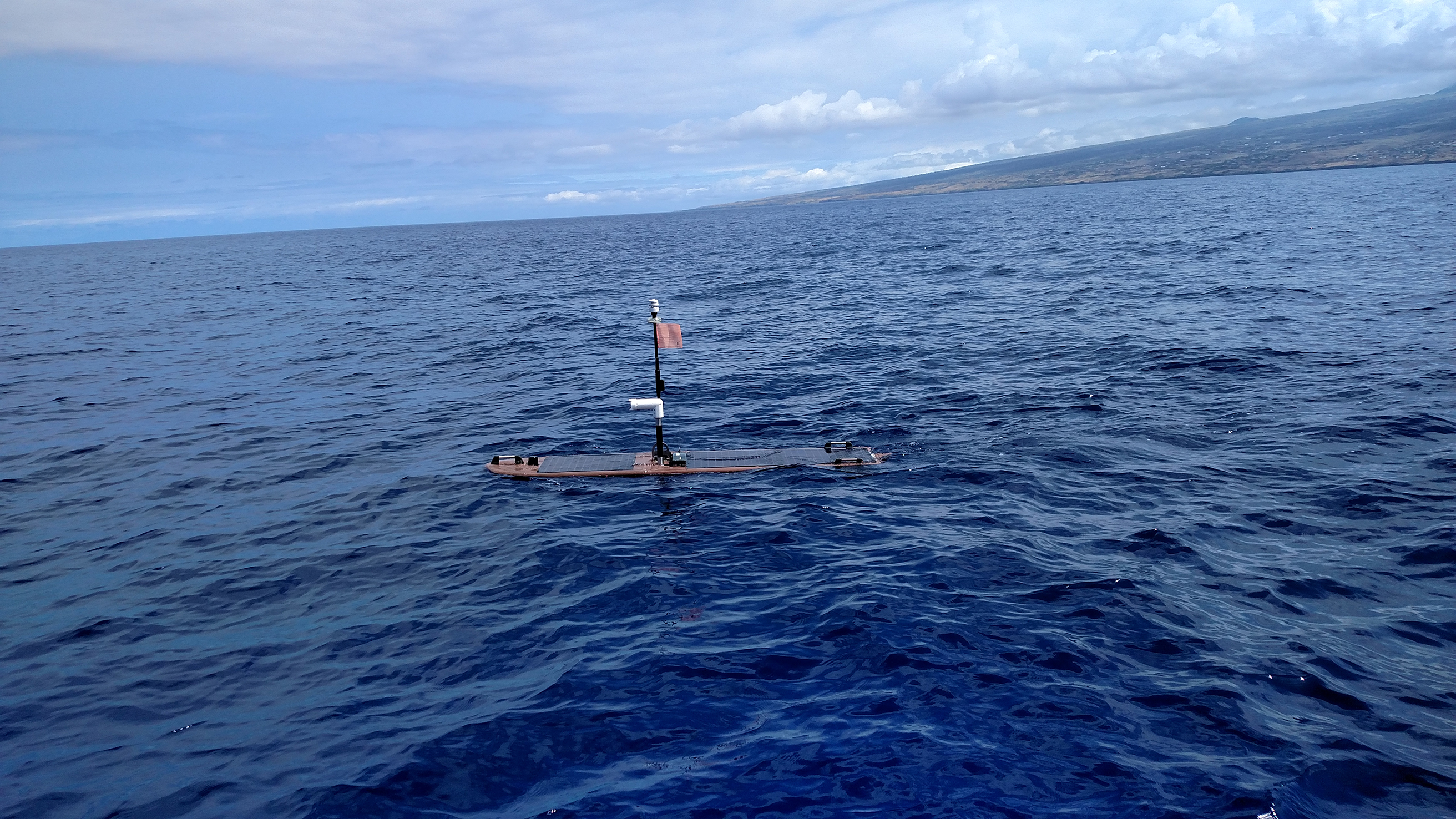
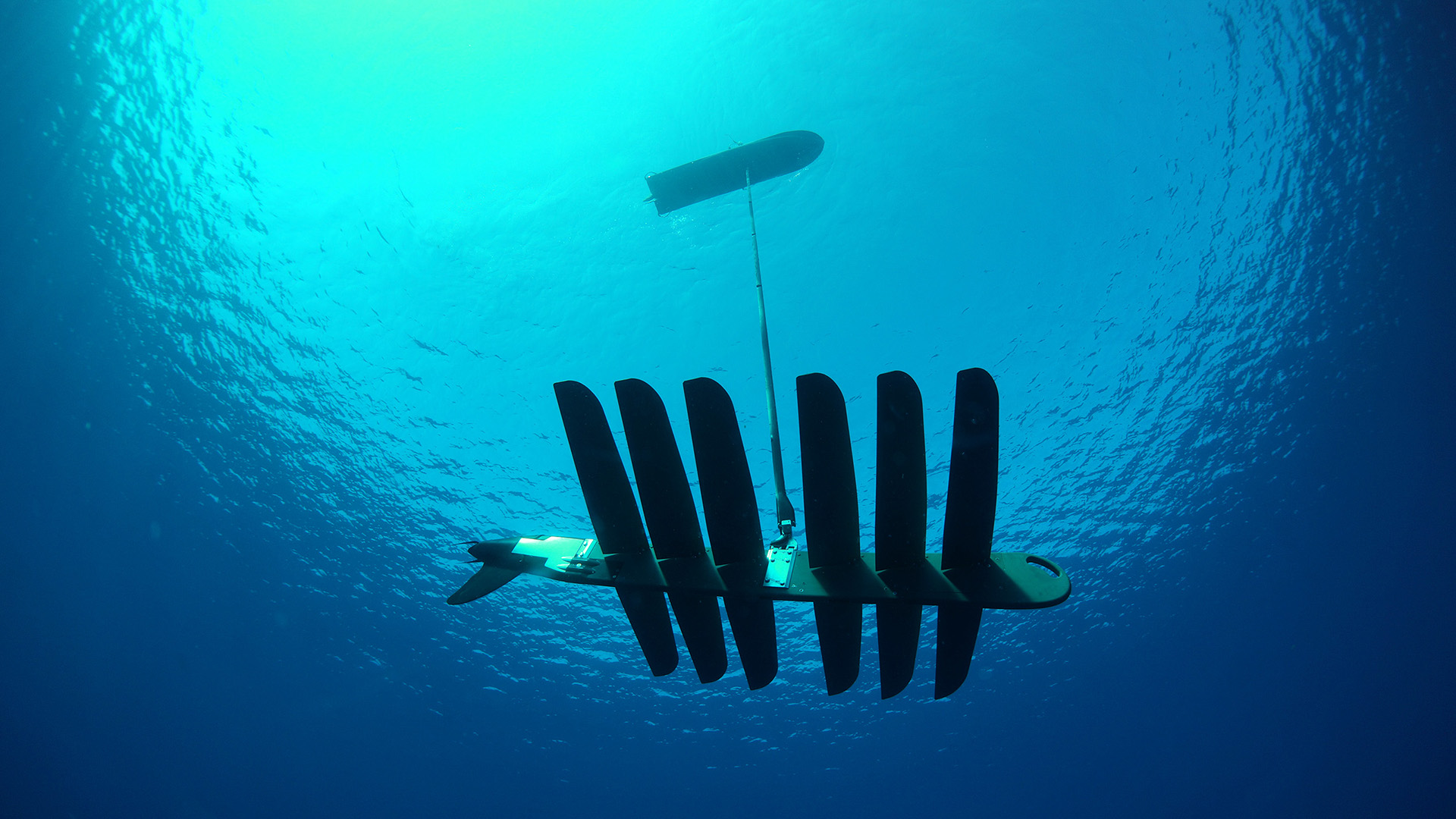
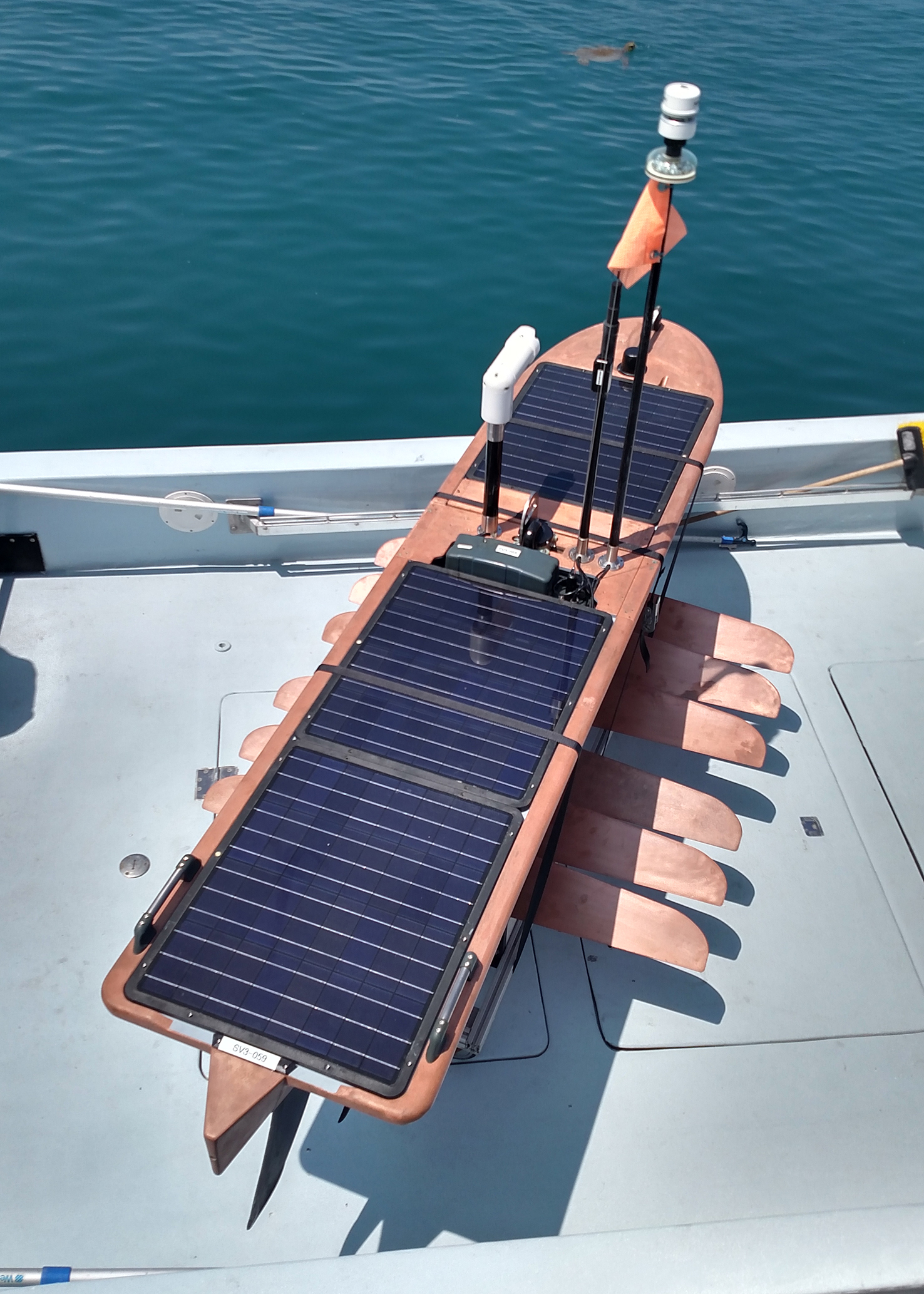
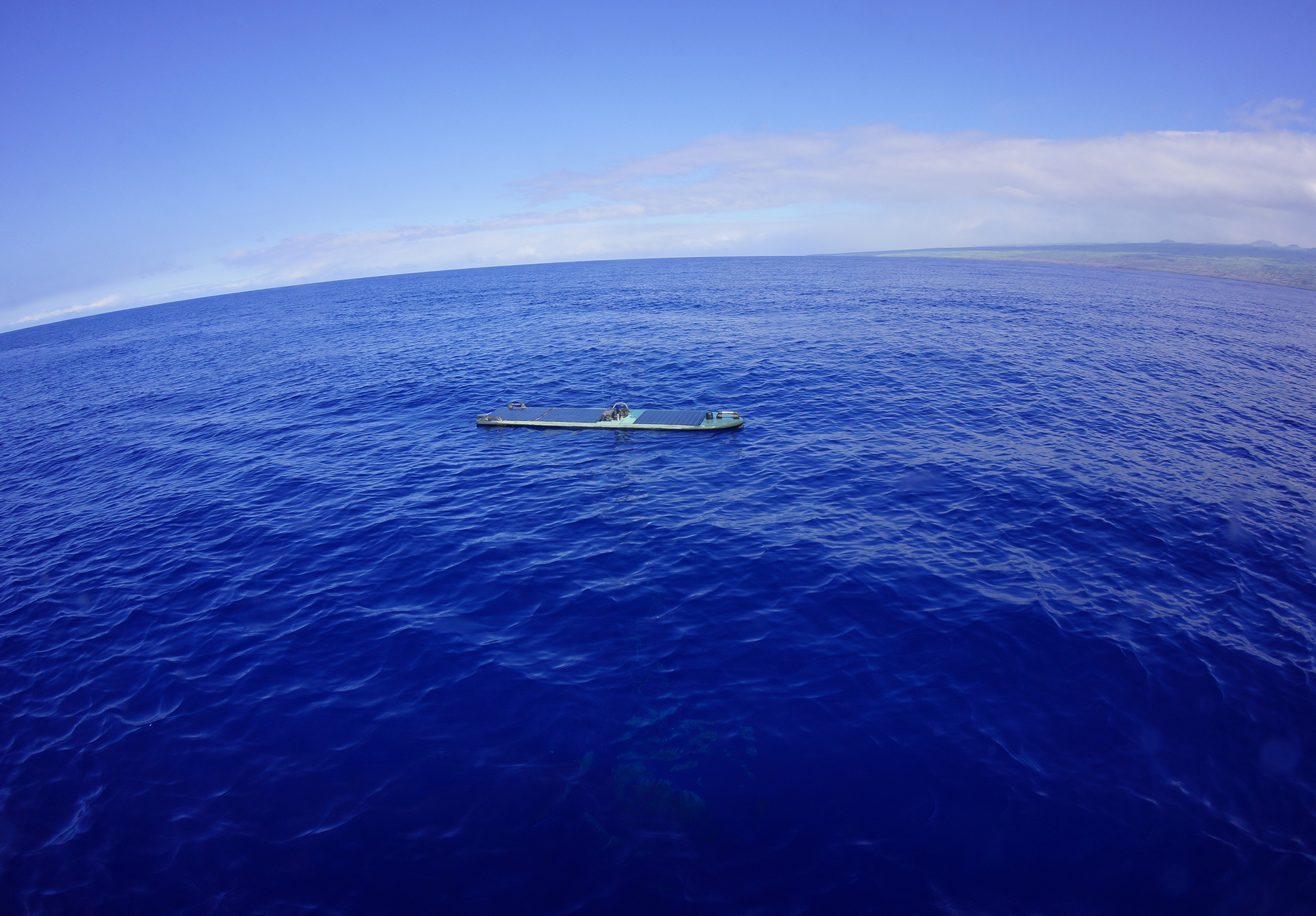
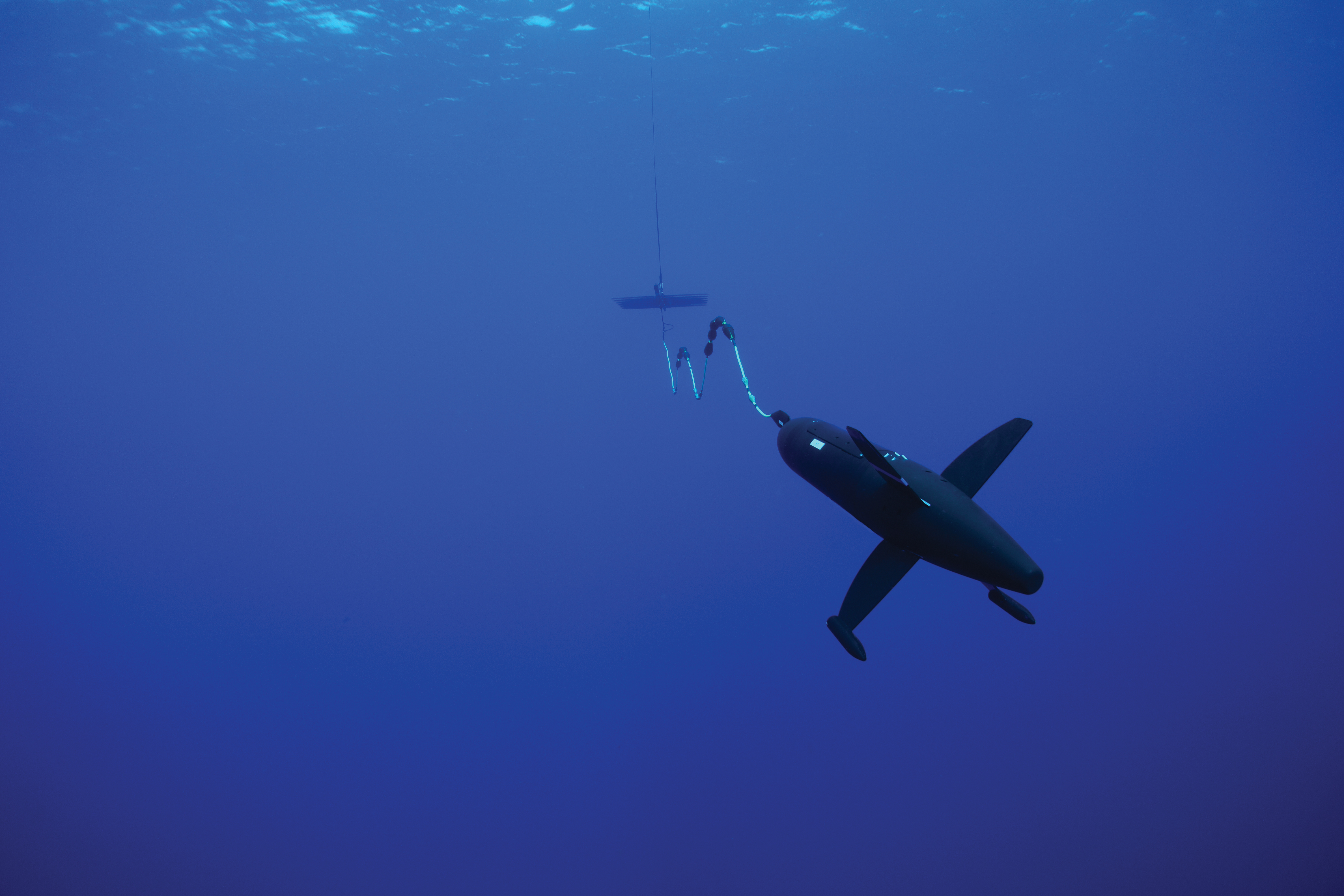
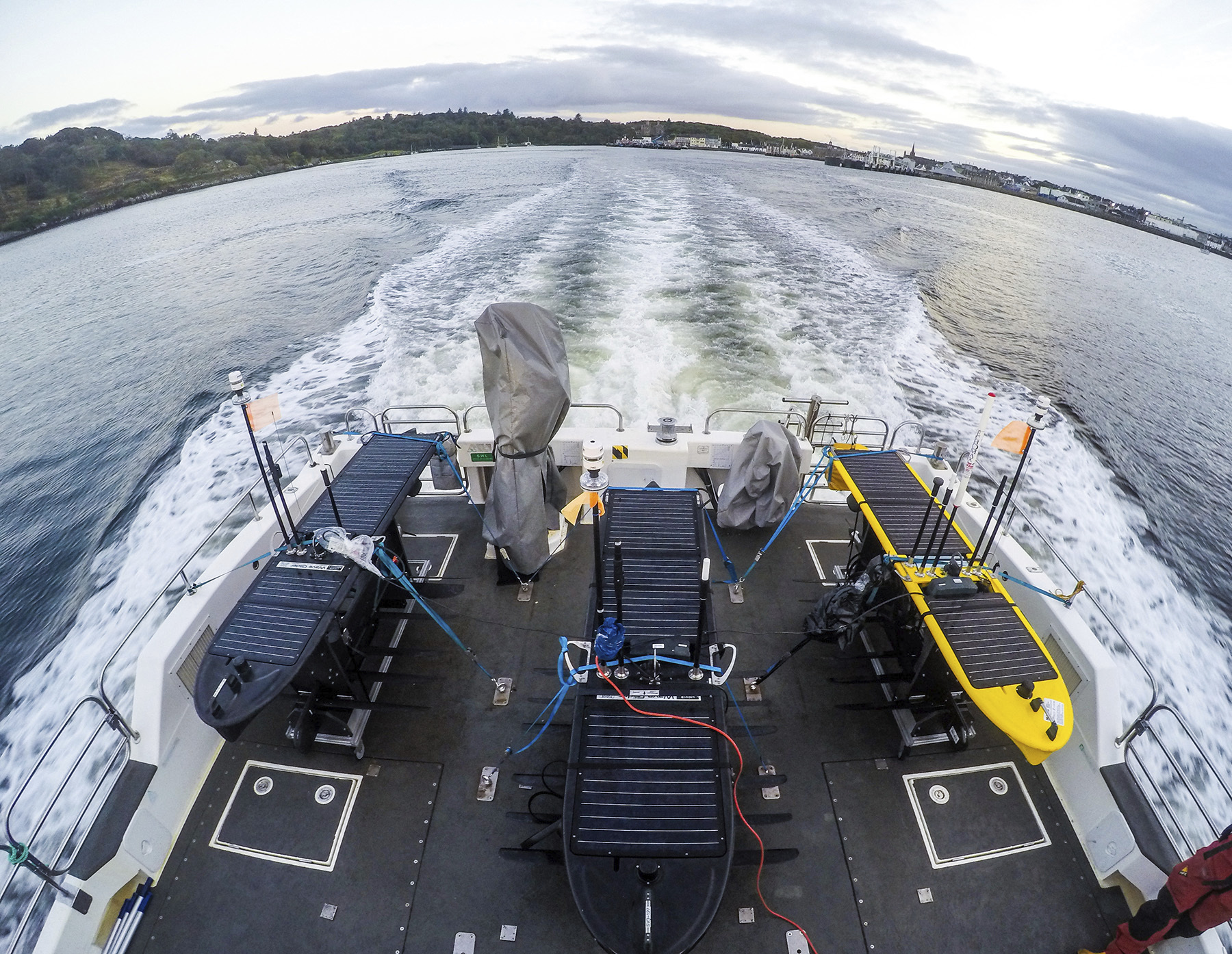
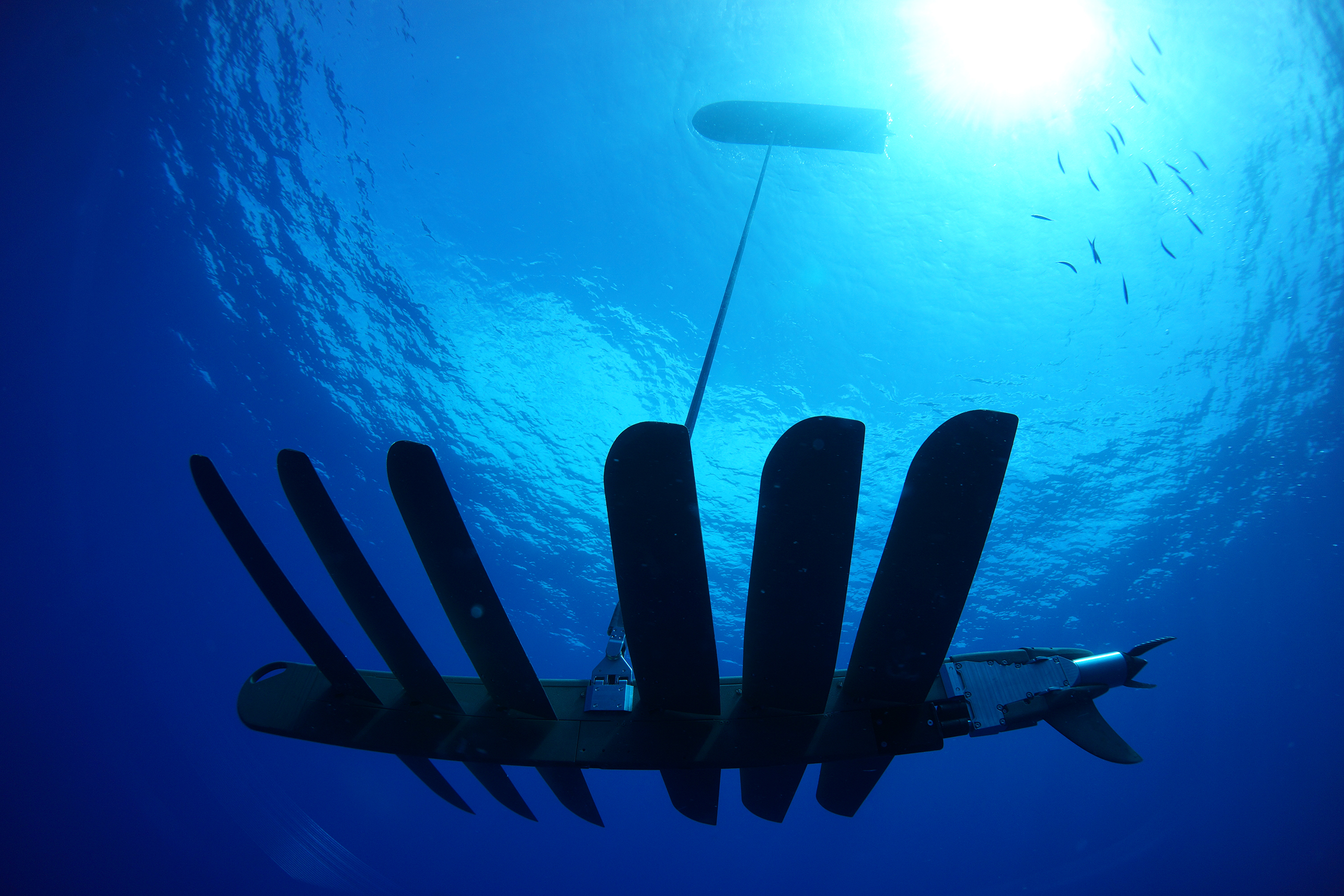
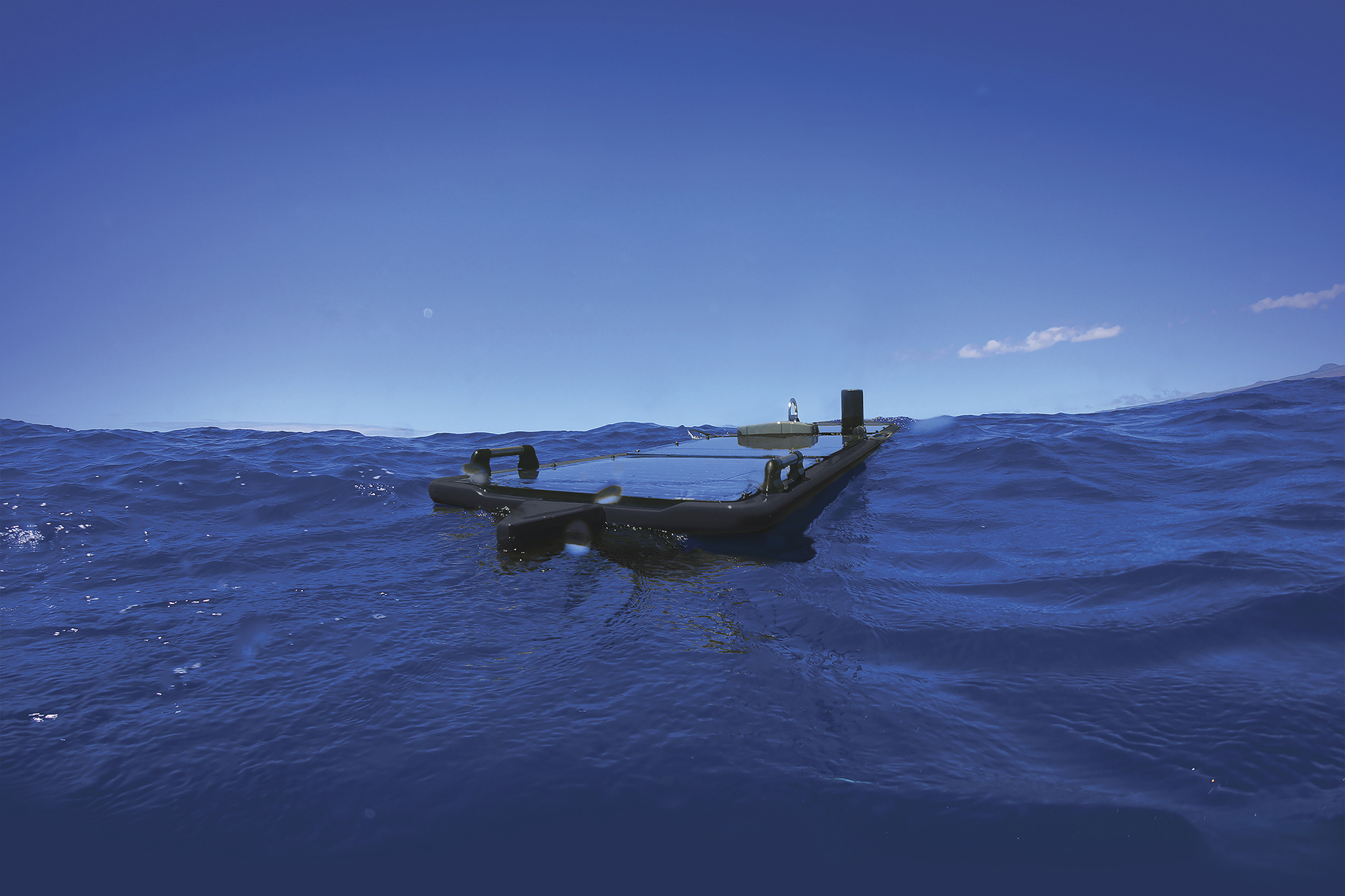
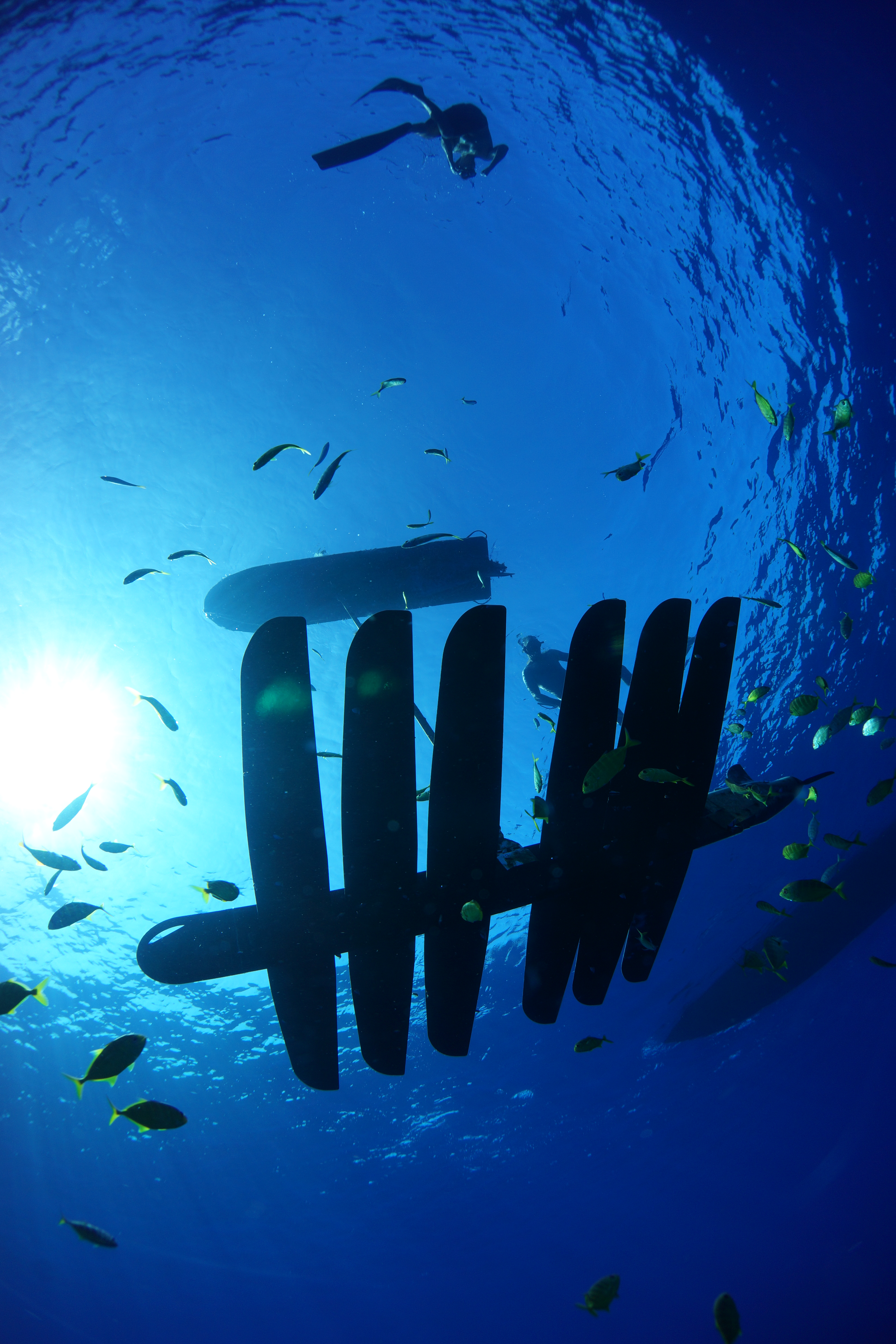
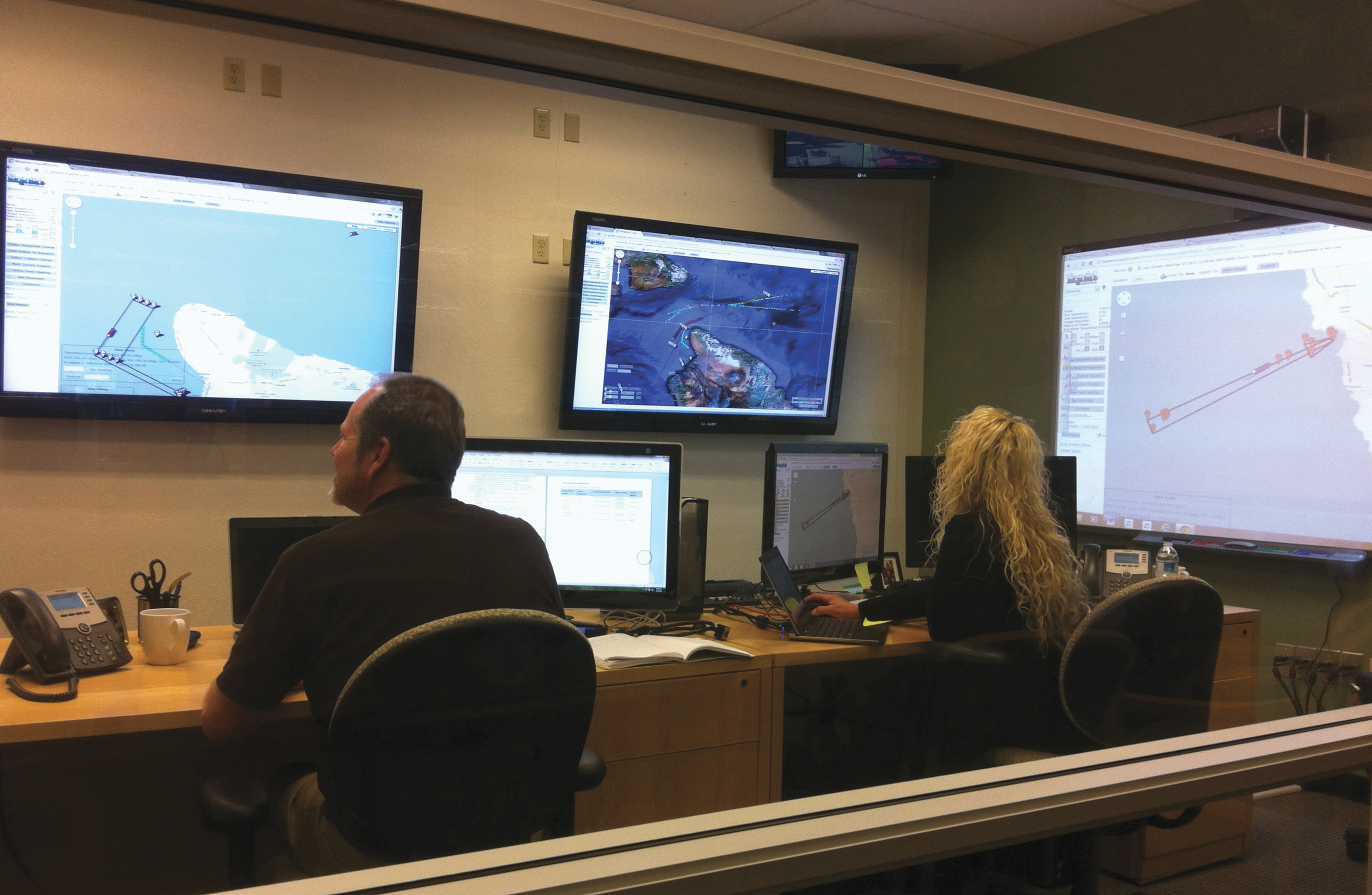
Liquid Robotics designs and manufactures the Wave Glider, the first wave and solar powered ocean robot. With our partners, we address many of the planet’s greatest challenges, by transforming how to assess, monitor, and protect the ocean. We solve critical problems for defense, commercial, and science customers.
Liquid Robotics and Wave Glider are registered trademarks of Liquid Robotics, Inc., a wholly owned subsidiary of The Boeing Company.
Learn more about Our History and meet our Leadership team.
Sagar Defence Engineering Pvt. Ltd., inaugurated its new plant in Pune, India. The plant will manufacture Uncrewed Surface Vehicles (USVs), marking a major step forward in the partnership with Liquid Robotics, a Boeing company, that was announced earlier this year to co-develop and co-produce advanced maritime systems. The USVs manufactured at this facility will enhance […]
Leading the Way with Unparalleled Operational Experience Marking an unprecedented milestone in the uncrewed maritime industry, Boeing-owned Liquid Robotics’ Wave Gliders® have tallied more than 3,000,000 nautical miles on missions around the world. The notable cumulative distance traveled by Wave Glider Uncrewed Surface Vehicles (USVs) underscores the maturity of the platform and, once again, confirms […]
Increased Capacity for Payloads, Power Liquid Robotics announces the launch of Wave Glider SV5, a larger Wave Glider Uncrewed Surface Vehicle (USV) variant that expands the range of uncrewed, long-duration maritime missions. At over five meters in length, Wave Glider SV5 supports multiple payloads and complex configurations while operating in various sea states and weather […]
Crustal deformation of the seafloor is difficult to observe solely using global navigation satellite system (GNSS). The GNSS-acoustic (GNSS-A) technique was developed to observe seafloor crustal deformation, and it has produced a steady series of successful observations with remarkable results related to crustal deformation associated with huge earthquakes around […]
Surface waves induced by tropical cyclones (TCs) play an important role in the air–sea interaction, yet are seldom observed. In the 2017 summer, a wave glider in the northern South China Sea successfully acquired the surface wave parameters when three TCs (Hato, Pakhar, and Mawar) passed though successively. During […]